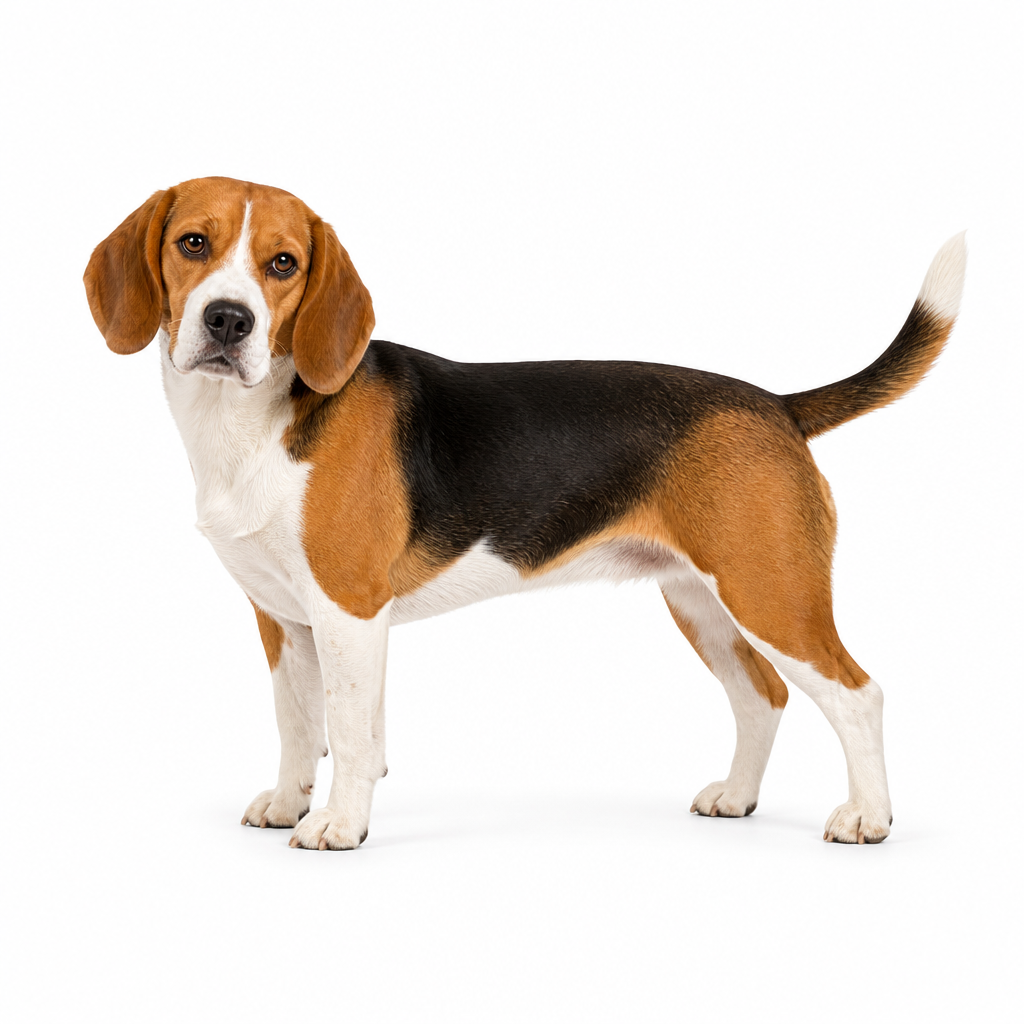
Bulldog full body portrait
Breed Profile

Bulldog

Non-Sporting Group · England · Lives 8-10 yrs

Bulldogs are charming, affectionate companions that are happiest in calm, climate-controlled homes. They do not need much exercise, but they do need steady care, close weight management, and a budget for likely medical issues. If you want a low-activity dog and can handle the health risks, a Bulldog can be a loyal fit.

Apartment FriendlyLow Exercise NeedsCouch PotatoExcellent Family Dog
Family
Trainability
Affection
Energy
Apartment
Beginner
SizeMedium
Height1 ft 2 in – 1 ft 3 in
Weight40–51 lbs
Lifespan8-10 yrs
Exercise30 min/day
OriginEngland
Evidence-based · AKC · FCI · Merck Vet Manual Research confidence 9/10
The Bottom Line

Bulldogs are charming, affectionate companions that are happiest in calm, climate-controlled homes. They do not need much exercise, but they do need steady care, close weight management, and a budget for likely medical issues. If you want a low-activity dog and can handle the health risks, a Bulldog can be a loyal fit.

6.2/ 10
Adapts to apartmentsDeeply affectionateProne to health issues
At a Glance

Breed Snapshot

Twelve core traits scored 1–10 from veterinary and kennel-club consensus.

Strengths
Energy3/10
Trainability4/10
Affection9/10
Exercise Need3/10
Kid-Friendly8/10
Beginner-Friendly7/10
Things to Know
Apartment Living9/10
Stranger-Friendly7/10
Shedding5/10
Drooling7/10
Grooming Effort5/10
Health Risk9/10
Compatibility

Is This the Right Dog for You?

A five-second gut check before you read the details.

Excellent Match If You…

  • You want a calm indoor companion with low exercise needs
  • You can provide climate-controlled living space
  • You are prepared for frequent veterinary care and ongoing health monitoring
  • You prefer a dog that fits apartment or small-home living

Probably Not Ideal If You…

  • You want an athletic hiking, running, or swimming partner
  • You live in a hot or humid climate without reliable cooling
  • You need a low-cost dog with minimal medical risk
  • You want an easy, highly obedient training experience
Meet This Breed

Meet the Bulldog

“If Bulldog were a person…”

If the Bulldog were a person, they'd be the unhurried old soul who has seen it all and refuses to be rushed. Stoic, affectionate, and quietly funny, they move at their own deliberate pace and expect the world to wait for them. Loyal to the point of shadowing you room to room, they ask for little beyond a soft couch and your company. Gentle with children and endlessly patient, they hide a streak of pure granite stubbornness behind that agreeable, wrinkled face.

Exercise & Energy

Exercise & Energy

3/10
Energy
Daily exercise
30 min
Structured activity, most days
Energy level
3/10
Mental work
4/10
Needs a job to stay balanced
Endurance
1/10
Compared with the average dog
  • Needs 55% less exercise
  • Average mental-stimulation needs
Reality Check

Low needs are not no needs: skip the daily 30 minutes and even this breed gains weight and grows restless. Consistency matters more than intensity.

Trainability

Trainability & Behaviour

4/10
Trainable
Trainability
4/10
Learning speed
6/10
Housebreaking
6/10
Higher = harder

Works best with

  • Positive reinforcement with food rewards (high food motivation)
  • Short, fun training sessions (5-10 minutes) — attention span is limited
  • Patience and consistency — can be stubborn
  • Early puppy socialization

Common challenges

  • Stubbornness and selective listening
  • Housebreaking difficulty
  • Resource guarding (food, toys)
  • Separation anxiety
Compared with the average dog
  • Harder to train than average
Reality Check

Intelligence is not obedience. Without early, consistent training this breed's default setting is stubbornness and selective listening — plan for real time in the first year.

Grooming

Grooming & Shedding

3/10
Coat effort
Shedding
5/10
Drooling
7/10
Coat effort
3/10
Brushing
2-3 times per week
Professional grooming
Every 4-6 weeks (optional)
Bathing
Every 4-6 weeks; wrinkle cleaning daily or every other day
Compared with the average dog
  • Sheds about average
  • Average grooming effort
Reality Check

Low-maintenance still means maintenance — nails, ears, and teeth need routine care even when the coat is easy.

Health

Health & Longevity

2/10
Health
Health rating
2/10
Life expectancy
8-10 years (UK studies suggest median as low as 7.4 years)
Routine vet / yr
$1,200

Screen breeders for

  • Cardiac evaluation
  • Patella evaluation
  • Hip evaluation (OFA)
  • Tracheal hypoplasia screening

Watch for

  • Brachycephalic obstructive airway syndrome (BOAS)
  • Hip dysplasia
  • Patellar luxation
  • Intervertebral disc disease (IVDD)
  • Cherry eye
Compared with the average dog
  • Lives ~3 yr shorter than average
  • Costs more per year than average
Reality Check

Insist on health-tested parents and budget for the unexpected — brachycephalic obstructive airway syndrome (boas) and similar issues can mean four-figure vet bills. Pet insurance is worth pricing before you commit.

Compatibility

Household Compatibility

How well the Bulldog fits different households and living situations, scored 0–100.

Young children
75/100
Teenagers
85/100
Singles
90/100
Seniors
85/100
Apartment living
95/100
Other dogs
60/100
Cats
70/100
Active owners
35/100
Lifestyle Match

Lifestyle Match

A quick three-way read on fit — where this breed shines, where it can work, and where it usually struggles.

Perfect for

An ideal match

  • Calm, patient owner with financial resources for significant veterinary expenses
  • Climate-controlled apartment or home
  • Low-energy household ready for daily exercise
Good fit

Workable with effort

  • Homes with cats
  • Multi-dog households
Poor fit

Think twice

  • You want an athletic hiking, running, or swimming partner
  • You live in a hot or humid climate without reliable cooling
  • You need a low-cost dog with minimal medical risk
Cost of Ownership

Monthly Ownership Dashboard

What owning a Bulldog really costs each month. Recurring essentials plus a recommended set-aside toward the big, unexpected vet bill — estimates in USD.

Food
$42/mo
Insurance
$75/mo
Routine vet
$58/mo
Grooming
$25/mo
Training
$33/mo
First-year, amortised
Emergency savings
$139/mo
Toward a $5,000 fund
Total monthly estimate
$372/mo
≈ $4,467 per year
Compared with the average dog
  • Costs more per year than average
Reality Check

Budget around $372 a month before you fall in love with a puppy. Underestimating ongoing cost — especially emergency vet care — is a leading reason dogs are surrendered.

Time Commitment

Weekly Time Commitment

Estimated hands-on hours per week — roughly 23.4 hours of active involvement, on top of simply living together.

Exercise3.5 h/wk
Training2.6 h/wk
Grooming1.3 h/wk
Social interaction13.0 h/wk
Mental stimulation3.0 h/wk
Reality Check

That is about 23.4 hours every week, week after week, for the dog's whole life. If your calendar can't find it now, it won't magically appear later.

Life Stages

Timeline: Puppy to Senior

What to expect as your Bulldog grows — and the behavioural shifts that catch new owners off guard.

1
Puppy0–6 months

Surprisingly rompy and active; socialise early and manage heat carefully. Stubborn habits set in fast.

2
Adolescent6–18 months

Tests patience with selective deafness — still playful, but increasingly set in its ways.

3
Adult1.5–8 years

Calm, loyal, and low-energy — a deliberate, affectionate shadow that thrives on routine and company.

4
Senior8+ years

Ages quickly; joints, breathing, and weight need close watch. Gentle, devoted, and slower than ever.

A Day in the Life

A Day with a Bulldog

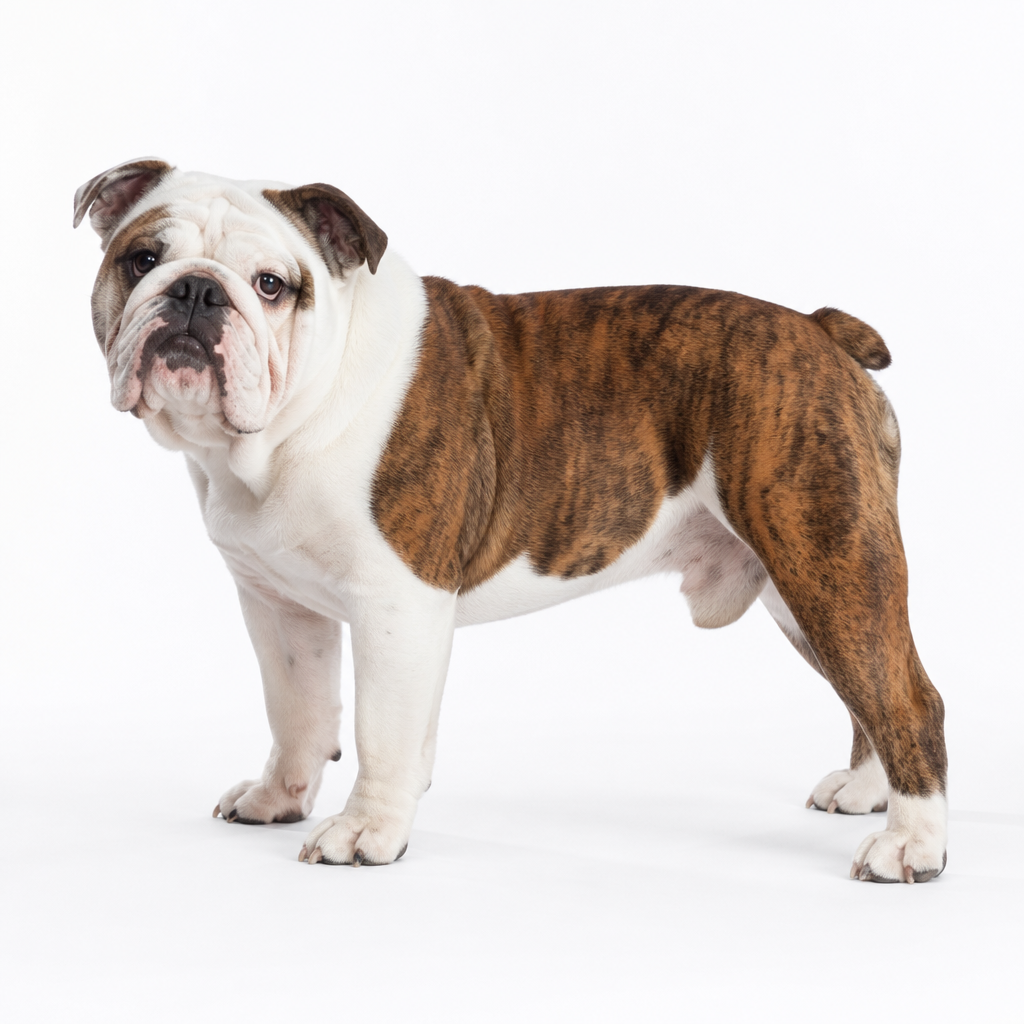
Mornings with a Bulldog are refreshingly unhurried. Expect a slow, snorting rise from the dog bed, a big stretch, and possibly a lingering yawn before your companion ambles over for affection. This is not a dawn athlete. A short, gentle walk in the cool of the morning is ideal — Bulldogs overheat quickly, so brutal midday sun and long distances are off the table for this flat-faced breed. Breakfast is enjoyed with enthusiasm, often followed by the soundtrack of the day: snorting, snuffling, and world-class snoring. Training happens in short, upbeat bursts; the Bulldog's famous stubborn streak means you'll win with treats and patience, never force. Midday is nap o'clock — this breed is perfectly content to sleep for long stretches, making them tolerant of owners who work, provided the home stays cool. Afternoons might bring a brief, comical play session before another rest. Watch the temperature constantly and keep water close. By evening, your Bulldog claims their rightful throne: the couch, pressed firmly against you, a devoted, wheezing, wonderfully affectionate companion who asks only for closeness, a cool room, and someone to share the sofa with.

By evening, after roughly 30 minutes of real activity, the Bulldog finally downshifts — leaning into your side, content, and already dreaming about tomorrow.
Myth vs Reality

Common Misconceptions

The myths that lead to mismatched adoptions — and the reality behind each.

Bulldogs are aggressive
the modern breed is one of the gentlest and most docile of all breeds
Their breathing sounds are normal
noisy breathing indicates structural airway compromise requiring veterinary attention
Bulldogs are low-maintenance because they don't exercise much
their health issues require constant management and high veterinary costs
Bulldogs can naturally give birth
approximately 80-95% of litters require cesarean delivery
Readiness

Before You Commit: Checklist

Tick these off honestly before bringing a Bulldog home. Every unchecked box is a reason to wait.

  • Space for a medium dog with a fenced yard
  • ~30 minutes of daily exercise, rain or shine
  • A budget of roughly $372/month for its whole life
  • Time for 2-3 times per week grooming
  • Commitment to early training and socialisation
  • A routine that avoids leaving it alone more than 4 hours
  • Readiness for a 8-10-year commitment
  • A relationship with a vet and a plan for emergencies
FAQ

Frequently Asked Questions

Is the Bulldog good with children?
Yes — the Bulldog scores 8/10 for child-friendliness. It's patient and tolerant, though all dog-child interaction needs supervision.
How much exercise does a Bulldog need?
Plan on about 30 minutes of purposeful activity every day, kept consistent rather than intense.
Does the Bulldog shed a lot?
Moderately — shedding rates 5/10, and it does best with 2-3 times per week.
Is the Bulldog good for first-time owners?
It can work with commitment. First-time-owner suitability scores 7/10.
How long do Bulldogs live, and what health issues are common?
Typically 8-10 years (UK studies suggest median as low as 7.4 years). Be aware of brachycephalic obstructive airway syndrome (boas) and hip dysplasia.
Can a Bulldog live in an apartment?
Yes, if exercised well — apartment suitability scores 95/100.