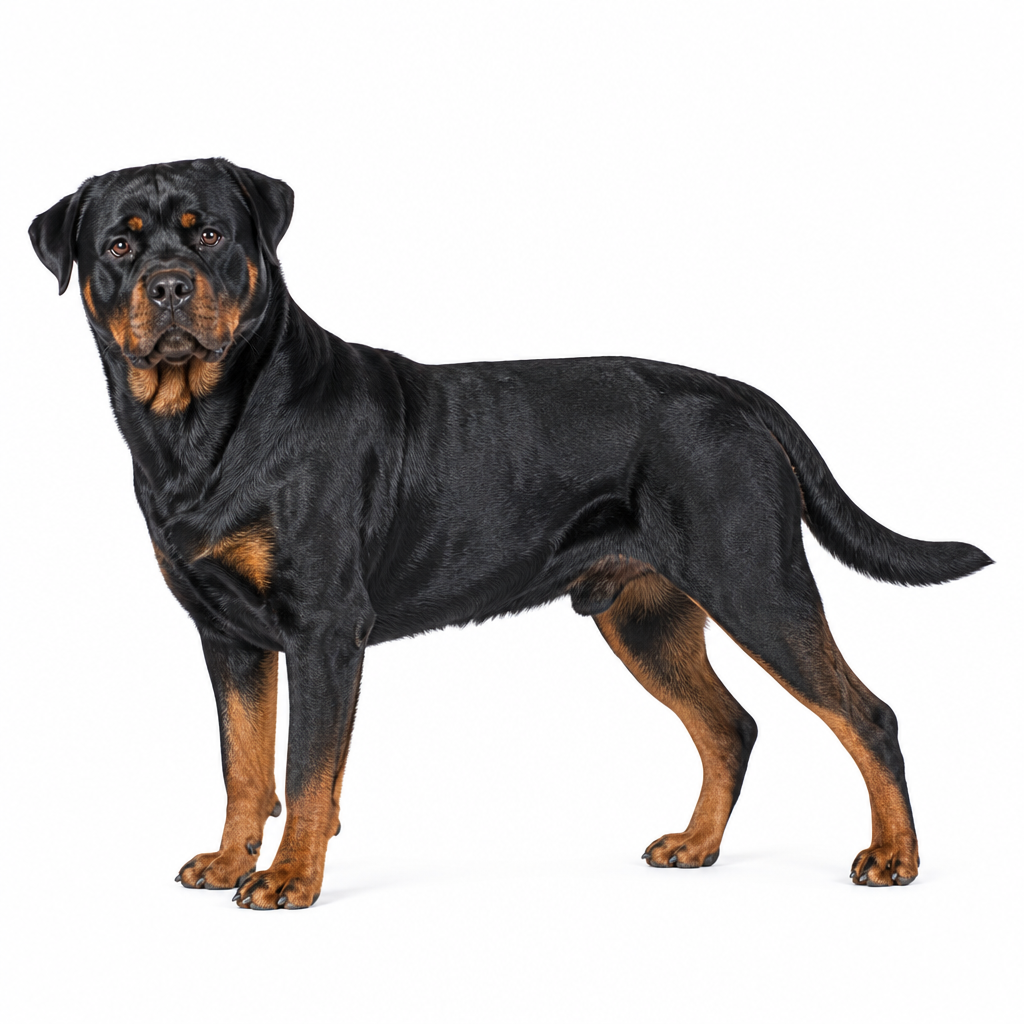
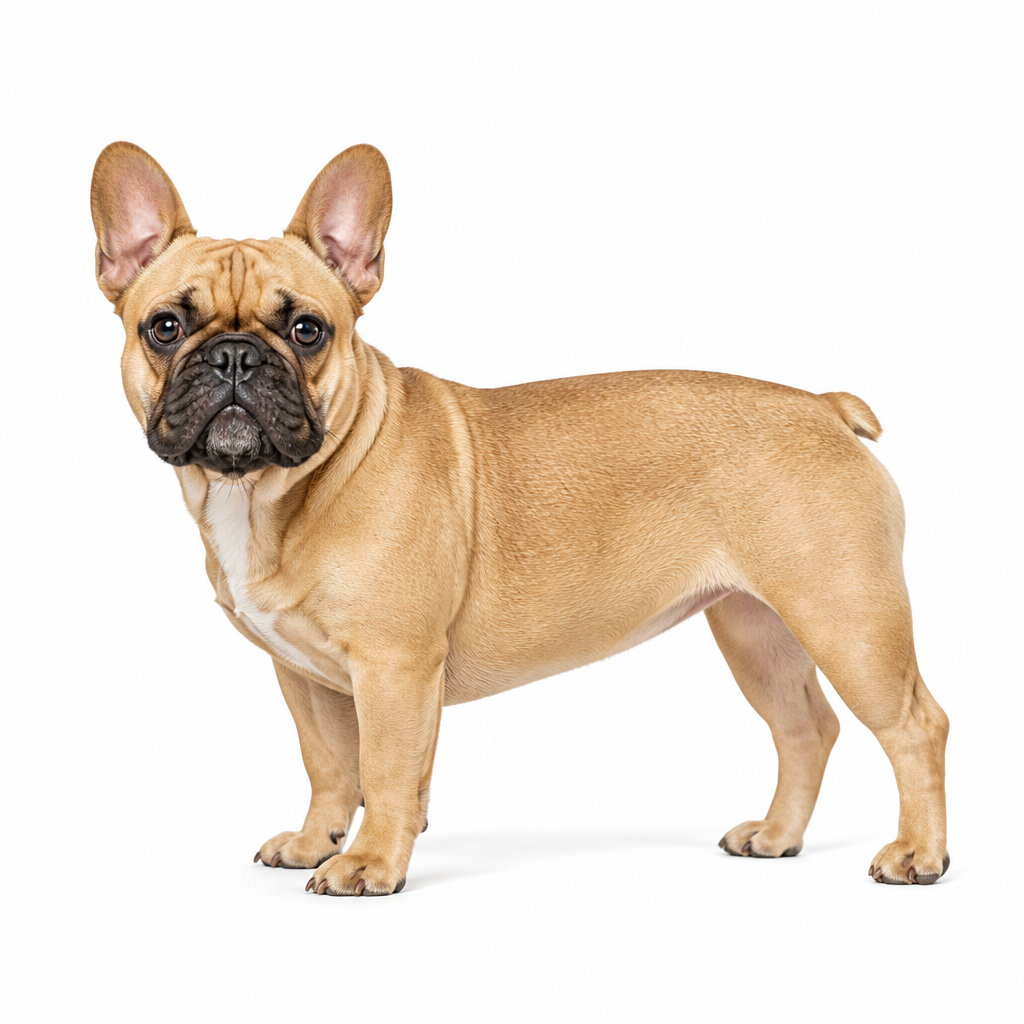
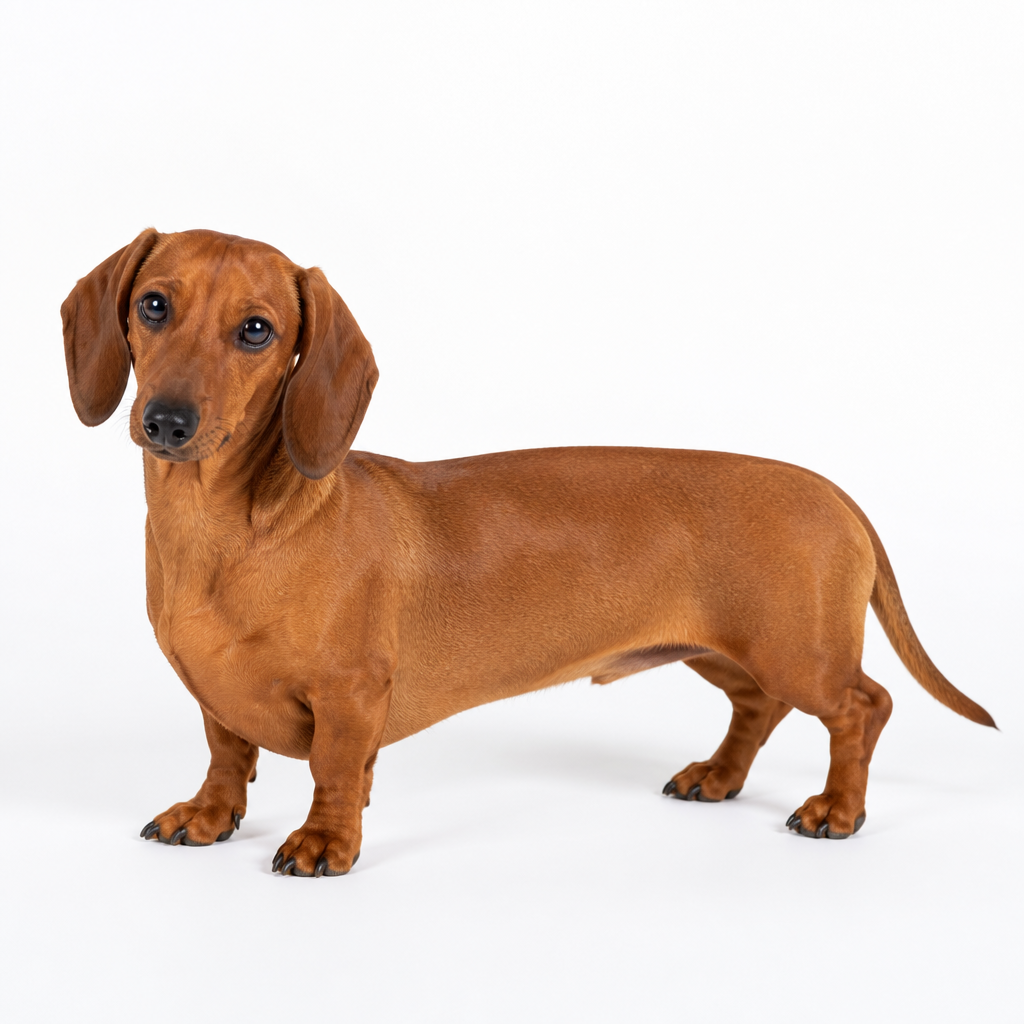
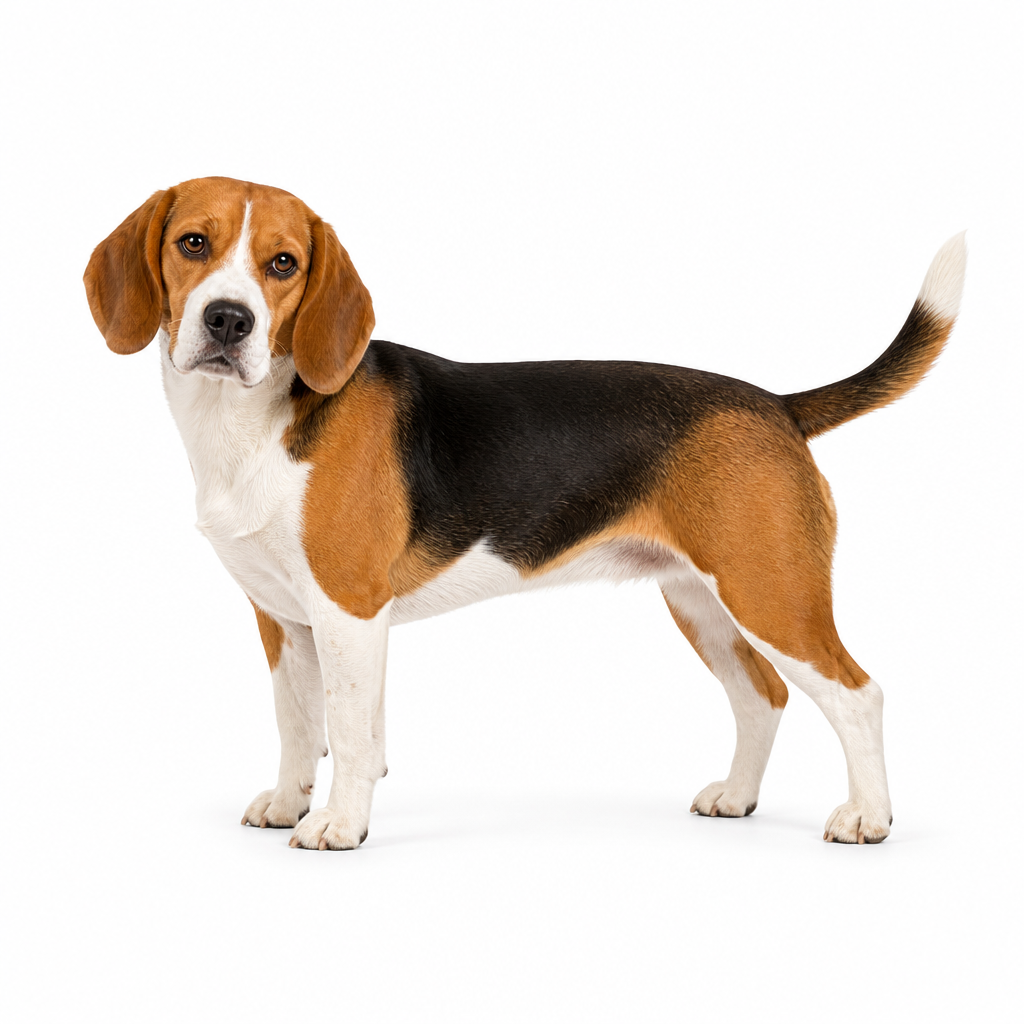
Dachshund full body portrait
Breed Profile

Dachshund

Hound Group · Germany · Lives 12-16 yrs

Dachshunds are small, but they are not delicate in spirit. You get a loyal little hunter with a huge personality, a loud voice, and real training needs. They fit compact homes well if you can manage barking, socialization, and back safety.

Vocal BreedStubborn StreakIndependent ThinkerHigh Prey Drive
Family
Trainability
Affection
Energy
Apartment
Beginner
SizeSmall (Standard: 16-32 lb; Miniature: under 11 lb)
Height8 in – 8.5 in
Weight20–22 lbs
Lifespan12-16 yrs
Exercise45 min/day
OriginGermany
Evidence-based · AKC · FCI · Merck Vet Manual Research confidence 9/10
The Bottom Line

Dachshunds are small, but they are not delicate in spirit. You get a loyal little hunter with a huge personality, a loud voice, and real training needs. They fit compact homes well if you can manage barking, socialization, and back safety.

6.4/ 10
Deeply affectionateAdapts to apartmentsProne to health issues
At a Glance

Breed Snapshot

Twelve core traits scored 1–10 from veterinary and kennel-club consensus.

Strengths
Energy6/10
Trainability4/10
Affection9/10
Exercise Need6/10
Kid-Friendly5/10
Beginner-Friendly5/10
Things to Know
Apartment Living7/10
Stranger-Friendly4/10
Shedding4/10
Drooling1/10
Grooming Effort3/10
Health Risk6/10
Compatibility

Is This the Right Dog for You?

A five-second gut check before you read the details.

Excellent Match If You…

  • You want a bold, affectionate companion with a strong personality
  • You can provide consistent positive-reinforcement training
  • You are prepared to manage IVDD risk, weight, and spine safety
  • You live in a small home or apartment and can handle barking

Probably Not Ideal If You…

  • You want a quiet dog that is easy to housebreak
  • You expect reliable off-leash obedience
  • You have toddlers or rough-handling children
  • You are unwilling to protect the spine or control weight
Meet This Breed

Meet the Dachshund

“If Dachshund were a person…”

If the Dachshund were a person, they'd be the pint-sized contrarian with the confidence of someone twice their size. Bold, clever, and comically stubborn, they hold firm opinions and a bark that announces every one of them. Devoted to their chosen person, they're wary of strangers and unimpressed by orders they didn't personally approve. Brave to the point of reckless, they were built to chase a badger underground and still act the part. Loyal, funny, and utterly convinced they run the household.

Exercise & Energy

Exercise & Energy

6/10
Energy
Daily exercise
45 min
Structured activity, most days
Energy level
6/10
Mental work
6/10
Needs a job to stay balanced
Endurance
5/10
Compared with the average dog
  • Needs 35% less exercise
  • Average mental-stimulation needs
Reality Check

Low needs are not no needs: skip the daily 45 minutes and even this breed gains weight and grows restless. Consistency matters more than intensity.

Trainability

Trainability & Behaviour

4/10
Trainable
Trainability
4/10
Learning speed
6/10
Housebreaking
7/10
Higher = harder

Works best with

  • Positive reinforcement with food rewards (high food motivation)
  • Short, fun, varied training sessions to combat boredom
  • Patience and consistency — stubbornness is a defining trait
  • Crate training for housebreaking (essential)

Common challenges

  • Stubbornness and selective obedience
  • Difficult housebreaking — among the hardest breeds to housebreak
  • Excessive barking — loud, persistent watchdog bark
  • Digging behavior (badger-hunting instinct)
Compared with the average dog
  • Harder to train than average
Reality Check

Intelligence is not obedience. Without early, consistent training this breed's default setting is stubbornness and selective obedience — plan for real time in the first year.

Grooming

Grooming & Shedding

3/10
Coat effort
Shedding
4/10
Drooling
1/10
Coat effort
3/10
Brushing
Smooth: weekly; Long-haired: 2-3 times per week; Wire-haired: weekly with periodic hand-stripping
Professional grooming
Every 6-8 weeks for wire-haired (hand-stripping); as needed for smooth and long-haired
Bathing
Every 4-6 weeks
Compared with the average dog
  • Sheds a little less than average
  • Average grooming effort
Reality Check

Low-maintenance still means maintenance — nails, ears, and teeth need routine care even when the coat is easy.

Health

Health & Longevity

6/10
Health
Health rating
6/10
Life expectancy
12-16 years (median ~13.2 years Standard; ~14 years Miniature)
Routine vet / yr
$500

Screen breeders for

  • Reputable, health-testing breeder

Watch for

  • Intervertebral disc disease (IVDD) — ~25% lifetime incidence
  • Obesity
  • Patellar luxation
  • Hip dysplasia (less common)
  • Progressive retinal atrophy (PRA)
Compared with the average dog
  • Lives ~2 yr longer than average
  • Costs less per year than average
Reality Check

Insist on health-tested parents and budget for the unexpected — intervertebral disc disease (ivdd) — ~25% lifetime incidence and similar issues can mean four-figure vet bills. Pet insurance is worth pricing before you commit.

Compatibility

Household Compatibility

How well the Dachshund fits different households and living situations, scored 0–100.

Young children
40/100
Teenagers
70/100
Singles
75/100
Seniors
70/100
Apartment living
65/100
Other dogs
50/100
Cats
40/100
Active owners
50/100
Lifestyle Match

Lifestyle Match

A quick three-way read on fit — where this breed shines, where it can work, and where it usually struggles.

Perfect for

An ideal match

  • Patient, consistent owner who appreciates an independent-minded, characterful companion
  • Adults or families with older children
  • Low-energy household ready for daily exercise
Good fit

Workable with effort

  • Committed singles
  • Apartment dwellers who exercise daily
Poor fit

Think twice

  • You want a quiet dog that is easy to housebreak
  • You expect reliable off-leash obedience
  • You have toddlers or rough-handling children
Cost of Ownership

Monthly Ownership Dashboard

What owning a Dachshund really costs each month. Recurring essentials plus a recommended set-aside toward the big, unexpected vet bill — estimates in USD.

Food
$29/mo
Insurance
$42/mo
Routine vet
$33/mo
Grooming
$17/mo
Training
$33/mo
First-year, amortised
Emergency savings
$111/mo
Toward a $4,000 fund
Total monthly estimate
$265/mo
≈ $3,183 per year
Compared with the average dog
  • Costs less per year than average
Reality Check

Budget around $265 a month before you fall in love with a puppy. Underestimating ongoing cost — especially emergency vet care — is a leading reason dogs are surrendered.

Time Commitment

Weekly Time Commitment

Estimated hands-on hours per week — roughly 26.9 hours of active involvement, on top of simply living together.

Exercise5.2 h/wk
Training3.4 h/wk
Grooming1.3 h/wk
Social interaction13.0 h/wk
Mental stimulation4.0 h/wk
Reality Check

That is about 26.9 hours every week, week after week, for the dog's whole life. If your calendar can't find it now, it won't magically appear later.

Life Stages

Timeline: Puppy to Senior

What to expect as your Dachshund grows — and the behavioural shifts that catch new owners off guard.

1
Puppy0–6 months

Bold, curious, and stubborn early — protect that long back from stairs and jumps and start patient housetraining now.

2
Adolescent6–18 months

Independent and vocal; tests the rules and digs in. Consistency stops small-dog habits from setting.

3
Adult1.5–8 years

Devoted, brave, and opinionated — a huge personality in a small frame, wary of strangers, loyal to its person.

4
Senior8+ years

Watch the spine (IVDD risk) and weight closely; slows down but keeps that bold, comic spirit.

A Day in the Life

A Day with a Dachshund

Your Dachshund wakes up alert, opinionated, and ready to announce the day — often loudly. Mornings bring cheerful vocal commentary, a demand for breakfast, and a determined patrol of the home's borders, because this little hound takes its watchdog duties very seriously. Walks are an exercise in negotiation: bred to follow a scent underground, your Dachshund will lock onto a smell and pull with startling stubbornness, convinced its nose outranks your plans. Guard that long back carefully — no leaping off couches, no bounding up and down stairs, and support the spine when you lift, since this breed is highly prone to painful disc injuries. Ramps and gentle handling are your friends. Midday may bring territorial barking at passersby, the mail carrier, or a suspicious leaf. Afternoons suit short training sessions sweetened with treats — they're smart but famously willful, so patience wins. Expect a big personality packed into a small, comical frame. By evening, your Dachshund does what it loves best: burrowing deep under a blanket or wedging against you in a warm nest, emerging only to reassert that it is, without question, the boss of the household — a bold, devoted, endlessly entertaining companion in a very small package.

By evening, after roughly 45 minutes of real activity, the Dachshund finally downshifts — leaning into your side, content, and already dreaming about tomorrow.
Myth vs Reality

Common Misconceptions

The myths that lead to mismatched adoptions — and the reality behind each.

Dachshunds are lazy lap dogs
they were bred as tenacious hunters and have more energy and drive than their size suggests
Dachshunds are just cute novelty dogs
they are serious, courageous working dogs with strong instincts
All Dachshunds have back problems
while IVDD risk is high (~25%), proper weight management and exercise greatly reduce risk
Dachshunds are good with small children
their fragile backs and tendency to snap make them a poor match for toddlers
Readiness

Before You Commit: Checklist

Tick these off honestly before bringing a Dachshund home. Every unchecked box is a reason to wait.

  • Space for a small (standard: 16-32 lb; miniature: under 11 lb) dog with a fenced yard
  • ~45 minutes of daily exercise, rain or shine
  • A budget of roughly $265/month for its whole life
  • Time for smooth: weekly; long-haired: 2-3 times per week; wire-haired: weekly with periodic hand-stripping grooming
  • Commitment to early training and socialisation
  • A routine that avoids leaving it alone more than 5 hours
  • Readiness for a 12-16-year commitment
  • A relationship with a vet and a plan for emergencies
FAQ

Frequently Asked Questions

Is the Dachshund good with children?
With care — the Dachshund scores 5/10 for child-friendliness. Supervision and early socialisation are essential, especially with young children.
How much exercise does a Dachshund need?
Plan on about 45 minutes of purposeful activity every day, kept consistent rather than intense.
Does the Dachshund shed a lot?
Moderately — shedding rates 4/10, and it does best with smooth: weekly; long-haired: 2-3 times per week; wire-haired: weekly with periodic hand-stripping.
Is the Dachshund good for first-time owners?
It can work with commitment. First-time-owner suitability scores 5/10.
How long do Dachshunds live, and what health issues are common?
Typically 12-16 years (median ~13.2 years Standard; ~14 years Miniature). Be aware of intervertebral disc disease (ivdd) — ~25% lifetime incidence and obesity.
Can a Dachshund live in an apartment?
Yes, if exercised well — apartment suitability scores 65/100.